Chemical Analyses
Performed using state-of-the-art instrumentation
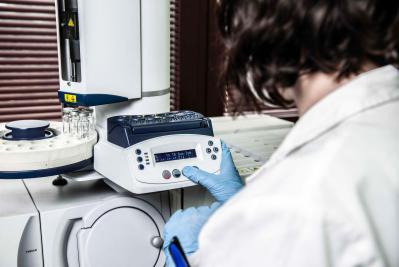
Techno Analisys performs chemical analyses on a wide range of matrices using advanced analytical instruments such as HPLC, UV-Visible Spectrophotometer, GC-FID, GC-MS and MP-AES.
Chemical testing represents a core component of our laboratory activities, as chemical compounds are ubiquitous and many of them may pose risks in different ways.
Regardless of the sector, companies are legally required to perform chemical analyses to demonstrate compliance with safety regulations and the highest quality standards.
Relying on a professional analytical laboratory helps improve both product quality and the services provided.
Within our laboratories we offer the following tests:
- chemical analysis of wastewater, process water and irrigation water (Legislative Decree 152/06, Legislative Decree 258/00 and Ministerial Decree 23/03/00);
- analysis of soils (Ministerial Decree 13/09/99), sludge and fertilizers according to applicable regulations;
- personal sampling and monitoring of indoor workplace pollutants in compliance with Legislative Decree 81/08;
- biocompatibility testing of medical devices;
- assessment of the conservation status of asbestos-cement roofing;
- waste analysis and classification (EU Regulation 1357/2014).
Chemical Analysis of Water
Legislative Decree 152/06, Legislative Decree 258/00 and Ministerial Decree 23/03/00
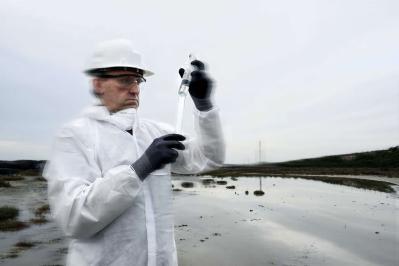
Chemical analysis of water is carried out to detect the presence of pollutants and determine their concentration levels.
Irrigation water, process water and wastewater can only be considered compliant with legal requirements when specific chemical compounds remain within the threshold values established by law.
Determination of Sterilization Residues
Sterilization residue analyses performed according to ISO 10993-7 verify the complete removal or inactivation of chemical agents used in sterilization processes, ensuring device safety and compliance with regulatory and quality standards.
These controls safeguard both patient health and product reliability.
Chemical Analysis of Soils, Sludge and Fertilizers
These analyses are necessary because heavy metals and organic compounds originating from human activities can compromise the quality and safety of soils, sludge and fertilizers.
Indoor Workplace Chemical Analyses
Legislative Decree 81/08
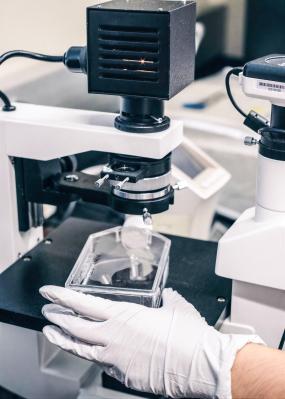
Occupational hygiene regulations require environmental and personnel monitoring in accordance with UNI EN 689:2019.
This applies to any workplace where there is a risk of exposure to potentially hazardous agents.
Potentially harmful or toxic pollutants include:
- heavy metals such as lead, iron, copper, chromium and cadmium;
- total and alkaline dust (NIOSH 7401 and M.U. No. 317 Manual No. 124);
- organic compounds such as ethylene oxide (NIOSH 1614 GC/MS), toluene and styrene (NIOSH 1501), aldehydes (NIOSH 2539), acetone and cyclohexanone (NIOSH 1300), chlorobromomethane (NIOSH 1003), ethanolamine (NIOSH 2007), formaldehyde (NIOSH 2539) and phthalates (NIOSH 5020).
Analysis of Leachables and Extractables from Medical Devices
ISO 10993-18
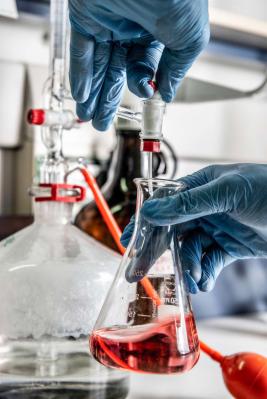
Biocompatibility testing performed according to ISO 10993-1 allows the evaluation of the potential hazard of a medical device when it comes into contact with the human body.
Assessment of Asbestos Roofing
Asbestos has been banned in Italy since 1992 (Law Decree No. 257) due to its severe effects on human health and the environment.
Assessments focus on the detection of asbestos in roofing materials, following regional protocols, as asbestos-containing materials are unfortunately still present in many areas of Italy.